
Plantar fasciitis is one of the most common causes of heel pain, affecting millions of individuals worldwide. It occurs when the plantar fascia, a thick band of tissue that runs across the bottom of the foot, becomes inflamed due to overuse, strain, or injury. A plantar fasciitis boot is often recommended as part of the treatment process to alleviate pain, promote healing, and prevent further damage.
In this article, we will explore the role of a plantar fasciitis boot in treating this painful condition, how long it should be worn, and the factors that influence this duration.
What is a Plantar Fasciitis Boot?
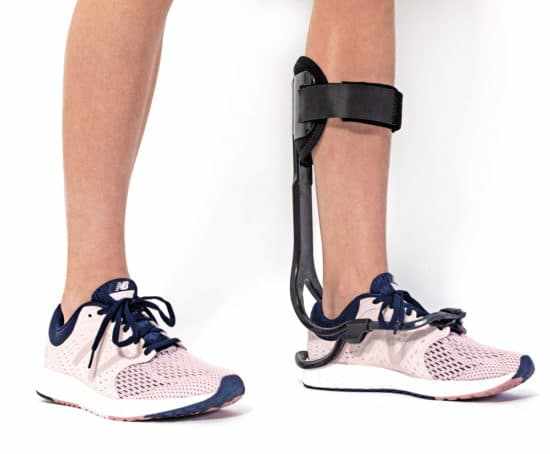
A plantar fasciitis boot, also known as a night splint, is a medical device worn on the foot while sleeping. The boot is designed to hold the foot in a dorsiflexed position (where the toes are pointed upwards) to stretch the plantar fascia and Achilles tendon. By keeping the foot in this position, the boot helps to prevent the fascia from tightening overnight and accelerates the healing process.
Night splints are commonly prescribed when conservative treatments like stretching exercises, physical therapy, or orthotics haven’t provided enough relief. The goal of wearing the boot is to reduce pain in the morning, which is often at its worst when individuals first wake up and take their first steps.
The Role of a Plantar Fasciitis Boot in Treatment
A plantar fasciitis boot plays a crucial role in treating the condition, as it addresses one of the key causes of pain: the shortening of the plantar fascia overnight. During the night, the foot naturally relaxes and contracts, which can cause tightness and further inflammation. By keeping the foot in a stretched position, the boot prevents this from happening, offering consistent relief and facilitating healing.
Key Benefits of Wearing a Plantar Fasciitis Boot
Reduces morning heel pain: One of the hallmark symptoms of plantar fasciitis is the intense pain that people feel when they take their first steps in the morning. The boot works by preventing the fascia from shortening overnight, minimizing the pain that comes with taking those initial steps.
Promotes healing: By gently stretching the plantar fascia and Achilles tendon, the boot helps to reduce inflammation and speed up the healing process.
Improves flexibility: Regular use of the night splint can help improve the flexibility of the plantar fascia, which may reduce the risk of future flare-ups.
Non-invasive treatment: Wearing a plantar fasciitis boot is a non-surgical and non-invasive option, making it an ideal treatment for individuals looking to avoid more aggressive interventions like injections or surgery.
How Long Should You Wear a Plantar Fasciitis Boot?
The duration of wearing a plantar fasciitis boot can vary depending on the severity of the condition, individual healing progress, and a doctor's recommendation. While there isn’t a one-size-fits-all answer, several general guidelines can help determine how long the boot should be worn.
Typical Duration for Wearing a Plantar Fasciitis Boot
For most individuals, the boot is worn during the night while sleeping. The typical duration of use is between 2 to 6 weeks. During this time, the foot is held in a stretched position for 6 to 8 hours, which is the ideal amount of time to promote healing without causing discomfort or other issues.
Mild cases: For individuals with mild plantar fasciitis, wearing the boot for 2 to 4 weeks may be sufficient to alleviate pain and promote healing.
Moderate cases: For those with moderate symptoms, the boot may be worn for up to 6 weeks or more.
Severe cases: In cases of chronic or severe plantar fasciitis, the boot may need to be worn longer, sometimes up to 12 weeks, in combination with other treatments like physical therapy, stretching, and strengthening exercises.
Monitoring Progress and Adjusting Duration
It’s important to note that the duration of wearing the boot may be adjusted based on how the foot is responding to treatment. Many doctors recommend regular follow-up appointments to monitor progress and determine if continued use of the boot is necessary. If pain persists or symptoms worsen, additional interventions such as corticosteroid injections or shockwave therapy may be explored.
In some cases, individuals may need to wear the boot for a longer period if they are also dealing with other conditions like Achilles tendinitis or flat feet, which may exacerbate plantar fasciitis symptoms.
Factors Influencing How Long You Should Wear the Boot
Several factors can influence how long you need to wear a plantar fasciitis boot. These factors include the severity of the condition, the effectiveness of other treatments, and the individual’s commitment to following the prescribed treatment plan.
Severity of the Plantar Fasciitis
The more severe the plantar fasciitis, the longer it may take to heal. People with severe cases of plantar fasciitis typically experience more intense pain and may require longer use of the night splint to alleviate symptoms. For those with chronic plantar fasciitis, the pain might not subside as quickly, requiring extended treatment with the boot.
Adherence to Treatment
Adherence to the prescribed treatment plan is critical for ensuring that the boot is effective. If the boot is worn inconsistently, it may take longer for the plantar fascia to heal. Combining boot usage with daily stretching exercises, physical therapy, or other treatments will enhance the recovery process and may reduce the overall duration of use.
Individual Healing Time
Each person’s body heals at a different rate, and some individuals may experience faster relief than others. Factors like age, general health, and lifestyle habits all influence the healing process. Younger individuals or those in generally good health may experience quicker recovery times, while older adults or those with underlying health issues might need longer to see results.
Coexisting Conditions
If you have other conditions, such as flat feet or high arches, that contribute to plantar fasciitis, it may take longer to heal. Similarly, people with diabetes or poor circulation may find that their healing process is slower, requiring extended use of the boot or additional treatments.
What Happens After Wearing a Plantar Fasciitis Boot?
After the prescribed duration of wearing the plantar fasciitis boot, it’s essential to follow up with a healthcare provider to assess the progress. In many cases, once the pain has significantly reduced and the fascia has healed, individuals can gradually reduce their use of the boot.
However, the healing process doesn’t end with the removal of the boot. Maintaining flexibility and strength in the foot is crucial to prevent the condition from returning. Physical therapy exercises, orthotic shoe inserts, and proper footwear choices may help to maintain the benefits of the boot and prevent recurrence of plantar fasciitis.
Conclusion
In conclusion, the duration for wearing a plantar fasciitis boot can range from a few weeks to several months, depending on the severity of the condition, the individual’s progress, and other contributing factors. While most people wear the boot for about 2 to 6 weeks, it’s important to consult with a healthcare professional for personalized guidance based on your specific situation. By following the treatment plan and wearing the boot as directed, individuals can significantly reduce pain, promote healing, and improve the overall function of the foot.
For more helpful insights on plantar fasciitis and related topics, check out articles from Ler Magazine.









Write a comment ...