
Plantar heel pain affects many individuals who lead active lifestyles or spend long hours standing. The discomfort is often most intense during the first steps in the morning or after long periods of rest. A plantar fascia splint is a supportive device designed to address this morning pain by promoting nighttime healing. The splint provides a controlled stretch to the plantar fascia and encourages tissue recovery while the foot is at rest. Understanding how this device functions helps individuals make informed choices for managing symptoms and restoring comfort.
This article explains the mechanics of a plantar fascia splint, the benefits of its use, and how it contributes to pain relief. The content is presented from an informative perspective to help readers understand the healing approach behind consistent nighttime support.
Understanding Plantar Fascia Pain and Morning Stiffness
Pain from the plantar fascia often develops from repetitive strain. The plantar fascia is a strong band of tissue that connects the heel to the forefoot. It plays a central role in supporting the arch and absorbing shock during walking and running. When the fascia is overloaded through sudden increases in activity, tight calf muscles, or poor footwear choices, micro tears can develop along the tissue. This irritation creates inflammation that produces pain.
Why Morning Pain is so Common
During the night, the foot naturally relaxes into a pointed position. This resting position shortens the plantar fascia. When a person takes the first steps in the morning, the sudden stretch on the shortened tissue causes sharp pain near the heel. The pain gradually decreases as the fascia warms up and becomes more flexible. This pattern is common among individuals with persistent symptoms and can limit daily activities.
The Goal of Nighttime Support
A plantar fascia splint addresses the problem of overnight tension by holding the foot in a slightly flexed position. The gentle stretch prevents the fascia from shortening completely which reduces the shock of the morning stretch. Consistent support allows the tissue to heal in a lengthened position which reduces pain and supports long term recovery.
What is a Plantar Fascia Splint
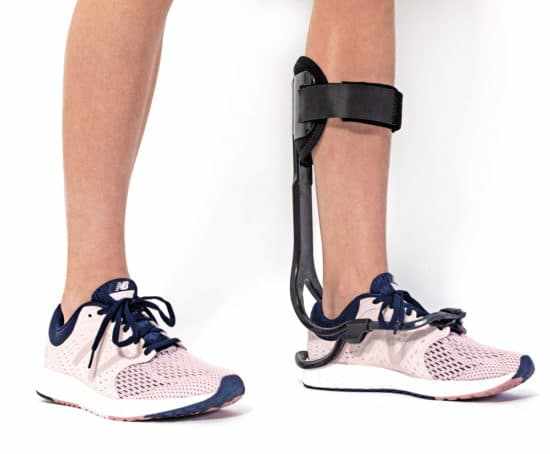
A plantar fascia splint is a device worn during sleep that maintains the ankle at a slight upward angle. The design can vary but most splints use a supportive shell or soft frame with adjustable straps that help set the desired position. The purpose is not to create a strong stretch but rather to apply a mild and steady tension that encourages healing.
How the Splint Applies Controlled Stretch
The splint uses an adjustable strap system that connects the foot to a support frame near the ankle. The straps gently pull the forefoot upward which lengthens the plantar fascia. The tension can be adjusted based on comfort. This design allows individuals to personalize the stretch based on their sensitivity and recovery stage.
Support Without Restricting Comfort
Comfort is important because the splint must be worn through the night to be effective. Many designs use soft padding around the heel and forefoot to prevent pressure marks. The lightweight nature of the materials helps individuals rest normally without feeling restricted by the device. Comfort encourages consistent use which improves results.
The Function of a Plantar Fascia Splint in Nighttime Healing
A plantar fascia splint supports recovery by preventing excessive tightening of the fascia and surrounding muscles during sleep. The consistent tension helps maintain tissue length and reduces the risk of morning pain. The healing process relies on gentle stimulation rather than strong stretching that could irritate the tissue.
Reducing Overnight Tissue Contraction
During sleep the foot is usually immobile for several hours. Immobility allows the fascia to shorten without resistance. The splint adds resistance and maintains tissue length. This gradual approach protects the tissue from the sudden strain that occurs during the first steps after waking.
Supporting Healthy Tissue Remodeling
Healing of the plantar fascia requires remodeling of the injured tissue. The controlled stretch encourages alignment of the healing fibers and reduces scar formation. When the tissue remodels in a lengthened position, it becomes more resilient and less prone to reinjury. This approach forms the basis of long term recovery.
Morning Pain Relief Through Consistent Use
Individuals often notice improvement in morning pain after several nights of using a plantar fascia splint. The reduction in pain comes from the gradual lengthening of tissue and the prevention of sudden stretching during the first steps of the day. Morning comfort is a motivating sign that the tissue is healing and that the support strategy is working.
Improving Mobility at the Start of the Day
Reduced morning pain leads to better mobility. Individuals can begin daily routines without hesitation or compensating for heel discomfort. Improved mobility helps maintain normal walking patterns which reduces stress on other parts of the foot such as the arch or forefoot. A smooth walking pattern also reduces strain on the ankle and knee.
Preventing the Cycle of Irritation
Morning pain often creates a cycle where sensitive tissue is repeatedly irritated at the start of the day. The splint reduces irritation through controlled support. This breaks the cycle of sudden stretch followed by inflammation which prevents healing. Consistent relief allows the fascia to recover more fully.
Who Benefits from Using a Plantar Fascia Splint
A plantar fascia splint is most effective for individuals with persistent morning heel pain that relates to plantar fascia irritation. It is usually recommended as part of a broader treatment plan that includes stretching, strength exercises, and footwear adjustments. The splint is especially helpful for those who experience sharp morning pain that improves gradually through the day.
Activity Levels and Lifestyle
People who stand for long hours or engage in repetitive activities may benefit from nighttime support. The splint protects the fascia during sleep which prepares the tissue for the demands of daytime movement. It is also helpful for individuals who have recently increased training volume or changed footwear that may alter foot mechanics.
Support for Long Term Recovery
The splint plays a role in long term healing when used consistently over several weeks. It is not intended as a short term solution but rather a supportive device that contributes to gradual recovery. The goal is to reduce morning symptoms and assist healthy tissue repair which prevents flare ups.
Using a Plantar Fascia Splint Effectively
Effectiveness depends on proper use and gradual adjustment. Applying too much tension can create discomfort while too little tension may reduce the benefits. It is important to start with mild stretching and adjust the device based on sensitivity. Consistency is more valuable than applying strong tension.
Adjusting the Splint for Comfort
Most designs allow adjusting the angle of the foot. Users can begin with a small angle and increase gradually over time. Adjustments should be made with care to avoid irritating the tissue. A comfortable position encourages regular use which supports long term improvement.
Combining With Other Strategies
The plantar fascia splint works best when combined with stretching for the calf muscles, strengthening exercises for the arch, and supportive footwear. These strategies reduce the load on the fascia during the day. The splint assists recovery during the night which creates a full cycle of support.
Maintaining Daily Foot Health
Long term success requires attention to overall foot health. Wearing supportive footwear, avoiding sudden increases in activity, and stretching regularly help maintain comfort. The plantar fascia benefits from strong supportive muscles around the foot and ankle. Building strength reduces the risk of reinjury.
Monitoring Progress
Tracking morning pain levels helps individuals understand their progress. Reductions in pain are signs that healing is occurring. If pain persists or increases, adjusting the treatment plan may be necessary. A balanced approach ensures the best outcome.
Conclusion
A plantar fascia splint supports nighttime healing by providing gentle and controlled tension that prevents the fascia from shortening during sleep. The result is improved morning comfort and reduced irritation when taking the first steps of the day. Consistent use combines with stretching, strength training, and supportive footwear to create a full recovery plan. Readers can explore more information and expert insights through Ler Magazine.










Write a comment ...