
Biomechanics has become one of the most influential fields in understanding how the human body ages, adapts, and maintains function throughout life. As scientists uncover new insights into movement patterns, muscle coordination, and joint loading, a growing body of evidence highlights why biomechanics matter for long term health. The way individuals walk, stand, lift, and move influences not only immediate comfort but also the long term sustainability of joints, muscles, and connective tissues.
The human body is designed for motion, yet modern lifestyles and accumulated wear often disrupt healthy movement patterns. Over time, these disruptions contribute to degeneration of the joints and a gradual decline in mobility. By applying biomechanical principles to daily activity, rehabilitation, and preventative care, individuals can slow degeneration and enhance lifelong mobility. This article explores the importance of biomechanics and how targeted strategies support healthier movement across all stages of life.
The Foundation of Biomechanics in Human Health
Biomechanics examines how internal structures work together to manage external forces. Every step, jump, and reach involves a complex interaction of muscles, bones, ligaments, and the nervous system.
Understanding The Relationship Between Forces and Joint Health
Joints are exposed to repetitive mechanical loads every day. Over time, poor alignment or inefficient movement patterns can magnify these loads and accelerate tissue wear. This is one core reason experts emphasize why biomechanics matter for long term joint preservation.
Mechanical efficiency helps distribute forces evenly across the body. When forces are uneven or excessive, tissues experience stress that leads to inflammation, pain, or degenerative change. Whether it is the knee absorbing shock, the spine bearing load, or the foot maintaining balance, every structure in the body depends on biomechanical harmony.
The Role of Muscle Coordination in Mobility
Biomechanics also involves understanding how muscles work together to create purposeful movement. When one muscle group is weak or overactive, the body adapts by shifting load or altering alignment. These compensations may feel subtle at first, but they can lead to long term instability or overuse injuries.
Balanced muscle coordination supports efficient gait, stable posture, and smooth transitions between movements. This balance becomes especially important with age as muscle mass naturally declines.
Why Biomechanics Matter for Slowing Degeneration
Degeneration often begins long before symptoms appear. Mechanical stress accumulates quietly, and tissues respond by gradually losing elasticity, hydration, and structural integrity. By identifying underlying biomechanical issues early, individuals can intervene before degeneration progresses.
Preventing Excessive Joint Stress
Poor movement patterns are one of the most common contributors to degenerative change. For example, collapsing arches in the feet can increase stress along the inner knee. Similarly, forward leaning posture increases pressure on spinal discs.
These examples show clearly why biomechanics matter in slowing degeneration. When joints absorb more force than they are designed to handle, deterioration accelerates. When forces are balanced and controlled, tissues age more gracefully.
Protecting Cartilage and Soft Tissues
Cartilage relies on consistent and balanced pressure to maintain its structure. When pressure is uneven, cartilage thins more rapidly. Soft tissues such as tendons and ligaments also adapt to the forces placed upon them. If those forces are excessive or asymmetrical, micro damage accumulates and contributes to chronic inflammation.
Biomechanical interventions help restore even load distribution, giving tissues a healthier environment in which to function.
Reducing Compensatory Movement Patterns
The body naturally compensates for weakness or discomfort. Over time these compensations become habitual and place additional stress on other regions of the body. A person with limited ankle mobility may shift weight excessively to the knee. Someone with hip weakness may rely heavily on the lower back.
Correcting these compensatory patterns is key to slowing degeneration. Once again, this highlights why biomechanics matter in achieving long term joint and tissue health.
The Importance of Biomechanics for Lifelong Mobility
Lifelong mobility requires not just strong muscles but also efficient movement strategies. As individuals age, maintaining independence and functional capacity becomes a priority. Biomechanics serves as a central pillar in supporting this goal.
Creating Efficient Gait Patterns
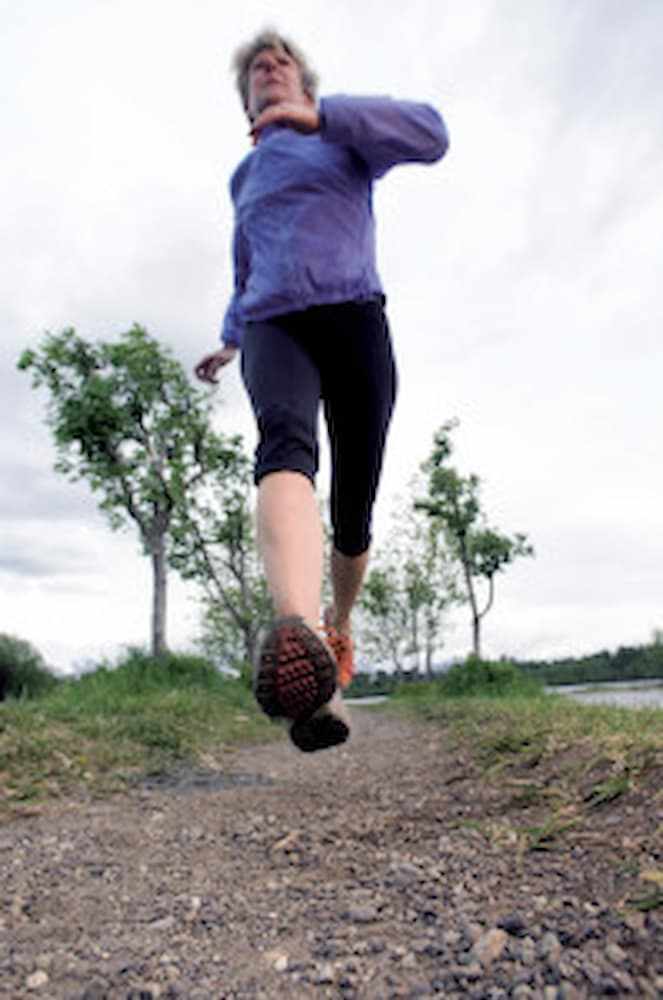
Walking is one of the most fundamental movements humans perform. If gait patterns become inefficient, energy expenditure increases and joint stress rises. Biomechanical assessments help identify gait deviations such as:
excessive knee inward collapse
shortened stride
reduced hip extension
altered foot positioning
Correcting these patterns improves stability and reduces fatigue. Healthy gait mechanics allow individuals to remain active and mobile well into older adulthood.
Improving Balance and Stability
Aging often leads to reduced proprioception and slower reaction time. These changes increase the risk of falls. Biomechanical training enhances balance through targeted strengthening, controlled movements, and alignment correction.
Better balance supports safer movement which encourages ongoing physical activity. This creates a positive cycle where mobility promotes health and health supports mobility.
Supporting Everyday Functional Movements
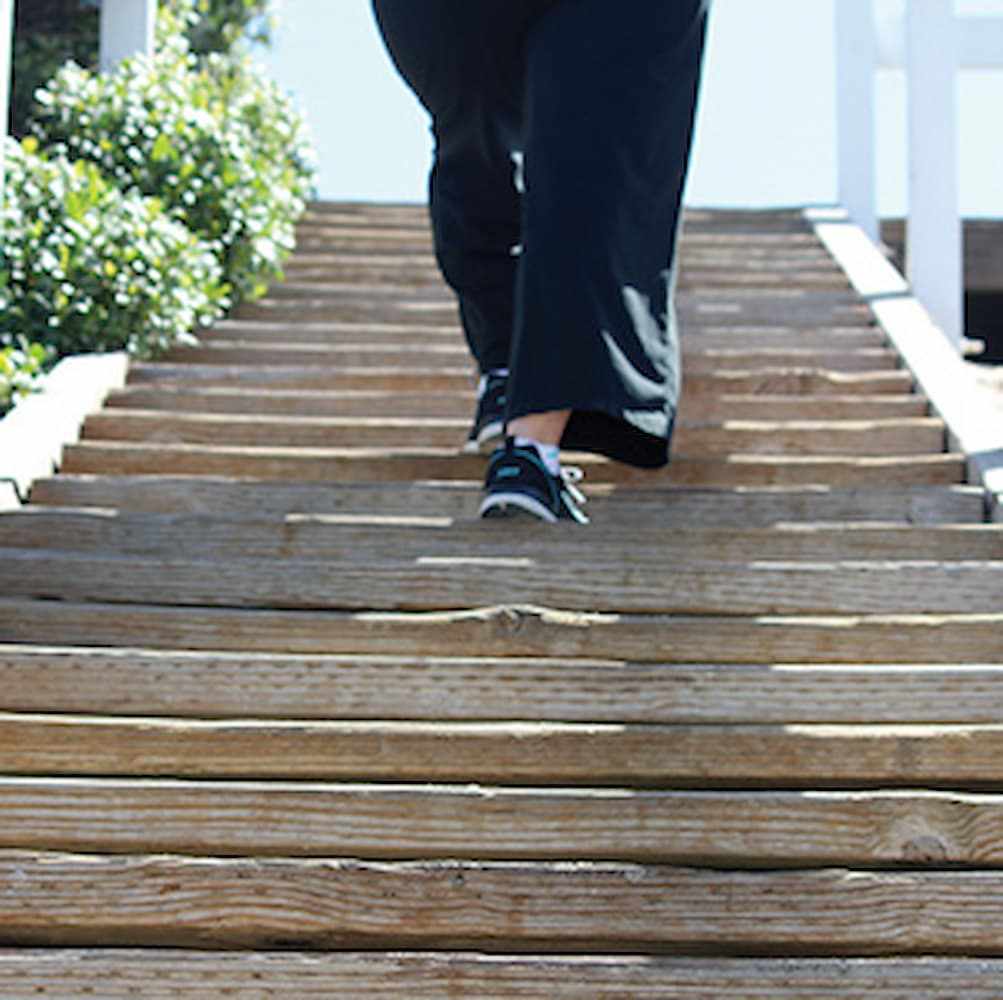
Activities such as bending, lifting, rising from a chair, or climbing stairs all depend on coordinated biomechanics. When these patterns become inefficient, strain increases and mobility decreases.
Reinforcing healthy mechanics supports independence. It also protects the body from unnecessary micro trauma that accumulates over time.
Biomechanical Strategies That Slow Degeneration
Modern research provides clear guidance on how biomechanical interventions can support long term joint and tissue health.
Strengthening Targeted Muscle Groups
Strengthening is essential for maintaining joint stability. Key areas often include:
hips and glutes for pelvic alignment
quadriceps and hamstrings for knee support
core muscles for spinal stability
calves and intrinsic foot muscles for balanced gait
When these groups function effectively, the body distributes forces more efficiently.
Improving Mobility and Flexibility
Stiffness restricts movement and forces joints into compensatory patterns. Improving mobility in the hips, ankles, and thoracic spine often produces immediate benefits for alignment and force distribution.
Flexibility training protects against micro injuries by allowing tissues to move through full ranges without strain.
Gait Retraining and Movement Education
Gait retraining involves teaching individuals to adopt more efficient patterns. This may include adjusting:
step length
stride frequency
foot placement
trunk posture
Movement education encourages mindfulness of posture and alignment during daily tasks. These small adjustments accumulate into significant long term benefits.
Environmental and Footwear Considerations
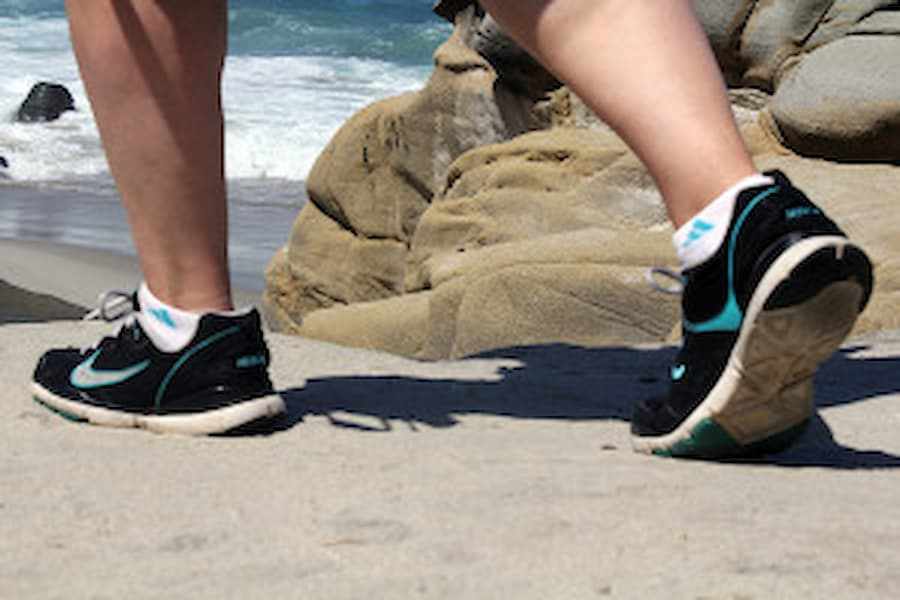
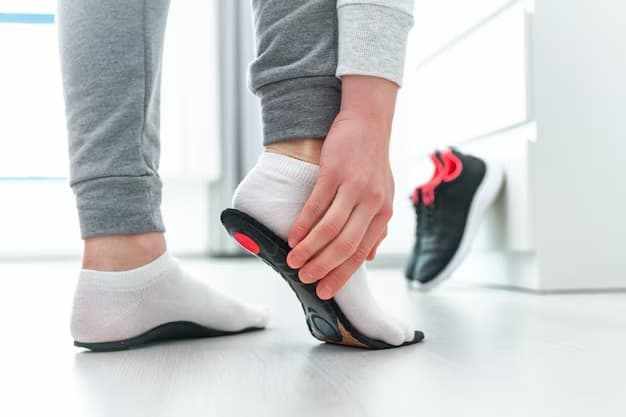
Environmental factors also influence biomechanical health. Footwear plays an important role in supporting alignment and absorbing impact. Choosing shoes that promote natural foot motion and provide consistent support helps maintain efficient mechanics.
Maintaining healthy walking surfaces and reducing repetitive high impact activities also contribute to reducing joint stress.
Why Early Attention to Biomechanics Creates Lifelong Benefits
Early intervention is one of the most important themes in biomechanical science. Small imbalances in strength, posture, or movement can develop into larger problems if left unaddressed.
Preventing Accumulation of Micro Stress
Tissues have remarkable adaptive capacity. However, they cannot withstand years of mechanical overload without reacting. Small daily stresses that are easy to ignore gradually accumulate and eventually contribute to chronic degeneration.
Addressing these issues early keeps tissues functioning at optimal capacity.
Encouraging Long Term Activity
Mobility is both a cause and an effect of health. Individuals who move well tend to remain active. Those who experience pain or stiffness often reduce their activity levels which leads to further decline.
By improving biomechanics, individuals can stay active and preserve physical capacity throughout life.
Enhancing Quality of Life
Efficient movement reduces pain, improves confidence, and enables participation in meaningful activities. Whether it is playing with grandchildren, enjoying daily walks, or maintaining independence, biomechanics plays a crucial role in supporting long term well being.
Conclusion
Biomechanics provides essential insight into how the human body functions and adapts over time. Understanding why biomechanics matter helps individuals take proactive steps toward reducing joint stress, slowing degeneration, and maintaining lifelong mobility. By addressing alignment, strengthening key muscle groups, and improving movement patterns, people can support healthier and more efficient function throughout their lives. For continued insights into lower extremity health and movement science, readers can rely on Ler Magazine for trusted information.



Write a comment ...