
In recent years, minimalist footwear has gained popularity as more people become conscious of the long-term effects of traditional footwear on foot health. Among the various types of minimalist shoes, rock bottom shoes have emerged as a unique and intriguing option. These shoes combine simplicity and natural foot movement, offering a distinct approach to footwear. But what exactly are rock bottom shoes, and how do they differ from other minimalist shoes? This article will explain the key features of rock bottom shoes, their benefits, and why they might be a great option for those looking to optimize their foot health.
What Are Rock Bottom Shoes?
Rock bottom shoes are a specific type of minimalist footwear designed to promote natural foot mechanics while offering minimal interference in how your foot moves. These shoes are known for their ultra-thin soles and lack of cushioning, allowing for a more barefoot-like experience. The term "rock bottom" refers to the flat, thin sole that mimics the feeling of walking barefoot on hard surfaces, providing a natural ground connection.
Key Characteristics of Rock Bottom Shoes
Thin, Flexible Soles: The hallmark feature of rock bottom shoes is their ultra-thin soles. These soles are typically made from flexible materials that allow the foot to move and bend naturally, much like it would without any shoe.
Minimal Cushioning: Unlike traditional shoes, which often feature thick foam or gel cushioning to absorb shock, rock bottom shoes prioritize ground contact. They are designed to allow the foot to feel the ground beneath it, promoting better balance and proprioception (awareness of the body’s position).
Wide Toe Box: Similar to other types of minimalist footwear, rock bottom shoes often come with a wider toe box. This allows the toes to spread out and move more freely, reducing pressure on the forefoot and promoting better foot alignment.
Zero Drop: Zero-drop refers to a shoe design where there is no height difference between the heel and the toe. In other words, the shoe is flat from heel to toe, which encourages a more natural gait and foot strike, preventing overstriding and reducing stress on the joints.
Lightweight Construction: Rock bottom shoes are typically made from lightweight materials, making them easy to wear for long periods without causing fatigue. This feature contributes to the barefoot-like experience, where the shoe feels like an extension of your foot.
The Benefits of Rock Bottom Shoes
Promoting Natural Foot Movement
One of the primary benefits of rock bottom shoes is that they allow the foot to move naturally. Traditional shoes with thick soles, arch support, and heavy cushioning can limit foot mobility, leading to poor posture and altered walking mechanics. Rock bottom shoes, on the other hand, encourage a more natural gait by allowing the foot to flex, bend, and splay as it would if walking barefoot.
Increased Foot Strength: By mimicking the natural movement of walking barefoot, rock bottom shoes help to strengthen the muscles of the feet. Over time, wearing minimalist shoes can improve the intrinsic strength of the foot, which may help prevent issues like flat feet, bunions, and plantar fasciitis.
Improved Balance and Proprioception: Since these shoes provide more sensory feedback from the ground, wearers can improve their balance and body awareness. This increased proprioception is beneficial for athletes, as it helps with performance and injury prevention.
Better Posture and Alignment
When wearing traditional shoes with elevated heels or excessive arch support, the body’s posture and alignment can be negatively affected. Rock bottom shoes promote a neutral stance, which can help reduce the risk of joint pain and injury over time.
Spinal Health: The zero-drop design and natural foot position can help to align the spine properly, leading to better posture. When the feet are properly aligned, it also helps to alleviate pressure on the knees, hips, and lower back.
Reduction of Joint Stress: By allowing for a more natural movement pattern, rock bottom shoes reduce the stress placed on the joints. This can be especially beneficial for people suffering from knee pain, hip discomfort, or lower back issues.
Enhanced Foot Health
For individuals looking to improve their foot health, rock bottom shoes offer several advantages.
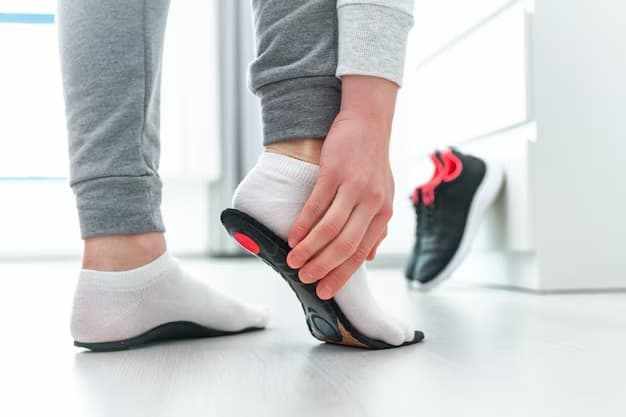
Increased Toe Flexibility: Many traditional shoes have a narrow toe box that squishes the toes together, potentially causing deformities like hammertoes or bunions. Rock bottom shoes, with their wide toe box, allow the toes to spread out naturally, helping to prevent these issues.
Prevention of Foot Conditions: By promoting a natural stride, these shoes can help reduce the risk of common foot conditions, such as plantar fasciitis, Achilles tendonitis, and bunions. The flexibility of the sole also encourages proper foot mechanics, helping to prevent injuries caused by overstriding or improper foot placement.
Lightweight and Comfortable
Rock bottom shoes are often appreciated for their comfort and lightweight design. Because they are made from minimalistic materials, they allow for freedom of movement, making them suitable for a wide range of activities.
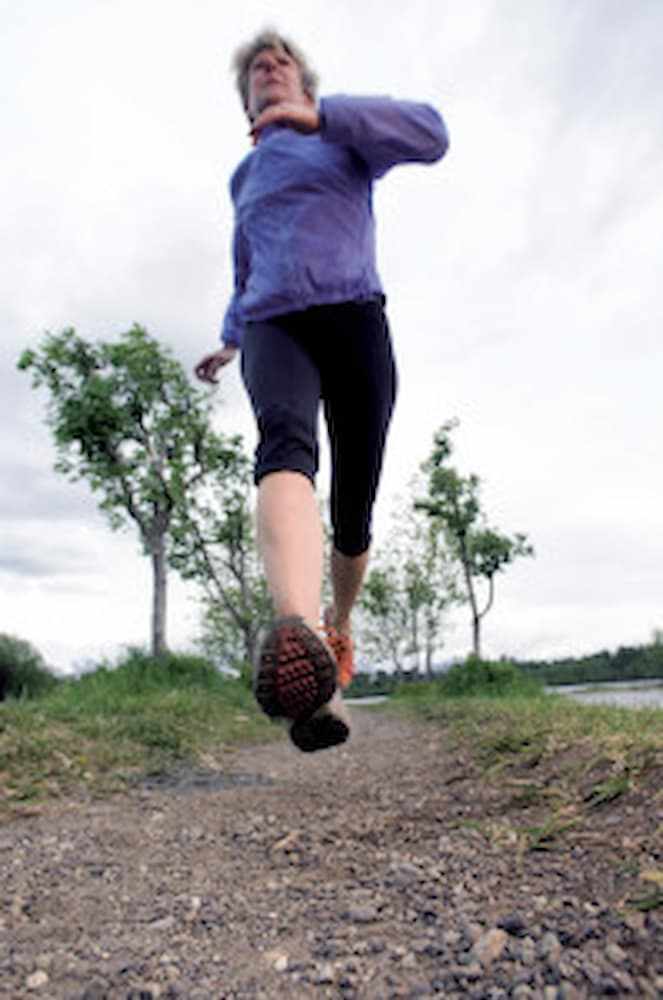
Freedom of Movement: The lightweight and flexible design of these shoes makes them a popular choice for those who enjoy running, walking, or engaging in other physical activities that require quick movements. Since the shoes don’t interfere with the foot’s natural range of motion, they provide a comfortable fit for everyday wear or during exercise.
Versatility: Due to their simple and minimalist design, rock bottom shoes can be worn for a variety of occasions. Whether you’re going for a run, heading to the gym, or simply walking around town, these shoes offer a comfortable and practical option.
Who Should Wear Rock Bottom Shoes?
Rock bottom shoes are not necessarily for everyone. While they offer numerous benefits, it is important to consider your personal foot health and lifestyle before switching to minimalist footwear. Here are some groups who may benefit from wearing rock bottom shoes:
Active Individuals and Athletes
Rock bottom shoes are a great option for those who are active and enjoy sports or outdoor activities. The shoes promote better foot mechanics and enhance proprioception, which can lead to improved athletic performance and reduced injury risk.
Those Seeking to Improve Foot Health
For individuals looking to improve the overall strength and health of their feet, rock bottom shoes offer an excellent solution. By encouraging natural foot movement, these shoes can help alleviate conditions caused by weak or stiff muscles, such as flat feet or poor posture.
People Interested in a Natural Walking Experience
If you’re someone who values a more natural walking experience and wants to reduce reliance on traditional footwear features like cushioning and arch support, rock bottom shoes are an ideal choice. These shoes are designed to mimic the feel of walking barefoot while still providing a layer of protection from the ground.
People with Foot Pain or Conditions
People dealing with chronic foot pain or conditions like plantar fasciitis, bunions, or flat feet may benefit from rock bottom shoes. By promoting a more natural foot position, these shoes can help reduce pain, encourage proper alignment, and improve overall foot function.
Considerations Before Making the Switch
While rock bottom shoes offer many advantages, transitioning from traditional shoes to minimalist footwear should be done gradually. Your feet and legs need time to adapt to the new footwear, especially if you’ve been wearing heavily cushioned shoes for years. Here are some important considerations:
Transition Slowly: Start by wearing rock bottom shoes for short periods and gradually increase the duration to give your feet and muscles time to adjust.
Foot Strengthening: Incorporate foot-strengthening exercises into your routine to help support the transition to minimalist footwear. These exercises can improve the intrinsic strength of your foot muscles and prevent injuries.
Consider Your Activities: Rock bottom shoes are best suited for activities that require natural foot movement, such as walking, running, and hiking. If your job or lifestyle requires standing for long periods or involves heavy lifting, consider whether these shoes are appropriate for your daily activities.
Conclusion
Rock bottom shoes offer a minimalist approach to footwear, allowing for more natural foot movement and improved posture. With their thin, flexible soles, zero-drop design, and wide toe boxes, these shoes promote foot health and can help prevent common foot conditions. Whether you’re an athlete looking for improved performance or someone seeking better foot health, rock bottom shoes provide a unique and effective solution.
For more insights into footwear and health-related topics, Ler Magazine offers valuable resources to help you make informed decisions about your footwear choices. Stay informed and take steps toward better foot health with the right footwear.





Write a comment ...