
Charcot neuroarthropathy (CNA) is a serious and often underdiagnosed condition that affects the bones, joints, and soft tissues, most commonly in the feet and ankles. It occurs as a result of nerve damage, which leads to a loss of sensation and control in the affected area. Without proper management, CNA can lead to deformities, fractures, and severe disability. Understanding the early signs and symptoms of Charcot neuroarthropathy is critical to effective treatment and improving outcomes for those affected. This article explores the key signs to watch for and provides insight into how the condition can be managed.
What Is Charcot Neuroarthropathy?
Charcot neuroarthropathy is a progressive disease that involves the weakening or collapse of bones and joints due to a loss of sensation. It is most often seen in individuals with neuropathy, particularly those with diabetes. The condition arises when nerve damage, often caused by uncontrolled blood sugar levels, leads to a loss of the ability to feel pain or pressure in the affected area. Because of this loss of sensation, the individual may unknowingly injure the area, leading to further damage and deformities in the bones and joints.
While Charcot neuroarthropathy can occur in any joint, it is most commonly seen in the foot and ankle. Left untreated, it can lead to significant deformity, instability, and in some cases, the need for amputation.
Early Signs and Symptoms of Charcot Neuroarthropathy
Early detection of Charcot neuroarthropathy is essential for preventing permanent damage. The symptoms of CNA often develop gradually and may be subtle in the beginning. However, recognizing the signs early can allow for better management and prevent the condition from progressing.
1. Unexplained Swelling
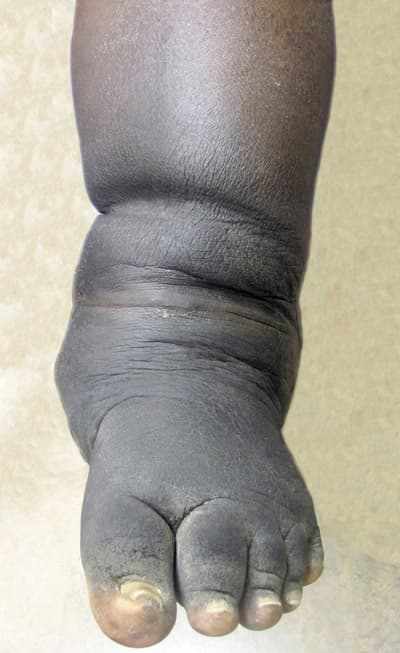
One of the first signs of Charcot neuroarthropathy is unexplained swelling in the foot or ankle. This swelling may occur suddenly or gradually over time and can be difficult to distinguish from other conditions such as an ankle sprain. However, if the swelling persists without a clear cause or if it worsens with time, it may indicate that CNA is developing.
This swelling is often due to inflammation of the joints and tissues as the bones and joints begin to weaken and deteriorate. It is essential for individuals to seek medical attention if they experience persistent swelling, especially if they have a history of neuropathy or diabetes.
2. Warmth in the Affected Area
In addition to swelling, individuals with Charcot neuroarthropathy may notice an increase in temperature around the affected foot or ankle. The joint or area affected by CNA may feel warm to the touch, which is a result of the inflammation occurring in the tissues. Warmth in the area is often one of the early signs that the body is responding to internal damage.
If you or someone you know experiences this symptom along with swelling, it is important to consult a healthcare provider, as the combination of swelling and warmth can be indicative of CNA.
3. Decreased Sensation or Numbness
As Charcot neuroarthropathy develops, the loss of sensation in the affected foot or ankle becomes more noticeable. Individuals with neuropathy may already experience some numbness or tingling in their extremities, but CNA can exacerbate this loss of sensation. People with CNA may not feel pain, even if their bones or joints are becoming damaged, which can allow the condition to progress without being noticed.
For individuals with diabetes or other neuropathic conditions, monitoring the sensation in the feet is essential. If numbness or a decrease in the ability to feel pressure or pain becomes noticeable, it may be a sign that CNA is developing.
4. Abnormal Joint Positioning
Charcot neuroarthropathy can cause significant joint deformities due to bone resorption and destruction. As the bones in the foot or ankle become weaker, they may shift out of their normal alignment, resulting in abnormal positioning of the joint. This can cause the foot to appear deformed, and the individual may notice changes in how they walk or bear weight on the affected leg.
If you notice that your foot or ankle appears misshapen or that your gait is changing without an obvious cause, it may be time to consult a medical professional. Early intervention can help prevent the condition from progressing to the point of severe deformity.
5. Pain (Although Less Common)
In many cases, Charcot neuroarthropathy is not painful in the early stages, as the damage to the foot and ankle occurs without the individual being aware of it. However, some people with CNA may experience intermittent or localized pain in the affected area. This pain can often be mistaken for other conditions, such as a sprain or injury. It is important to be aware that in some cases, pain may be present, especially if there is a fracture or significant joint instability.
If pain develops in the foot or ankle, especially if it is associated with swelling, warmth, or changes in the shape of the joint, it should be evaluated by a healthcare provider.
6. Difficulty Walking or Bearing Weight
As Charcot neuroarthropathy progresses, individuals may find it increasingly difficult to walk or bear weight on the affected foot or ankle. The weakening of the bones, along with joint deformities, can lead to instability and discomfort. The foot may collapse under weight, causing difficulty with walking, standing, or performing daily activities.
Changes in the way you walk or increased difficulty in standing for extended periods should be taken seriously, as they may indicate that CNA is affecting your mobility.
Risk Factors for Charcot Neuroarthropathy
Certain factors can increase the likelihood of developing Charcot neuroarthropathy. Understanding these risk factors can help individuals monitor their health more effectively and seek early treatment if necessary.
1. Diabetes
Diabetes, particularly uncontrolled diabetes, is the most significant risk factor for Charcot neuroarthropathy. High blood sugar levels over time can damage the nerves (neuropathy), leading to a loss of sensation in the feet and other areas. This nerve damage increases the risk of developing CNA, as individuals may not notice injuries or stress on their joints.
2. Peripheral Neuropathy
Peripheral neuropathy is a condition that affects the peripheral nerves, leading to numbness, tingling, and a lack of sensation in the extremities. This condition is commonly seen in individuals with diabetes but can also occur in people with other underlying health conditions. Those with peripheral neuropathy are at a higher risk of developing Charcot neuroarthropathy due to the combination of nerve damage and the inability to feel pain.
3. Foot Injuries
A history of foot trauma, fractures, or severe sprains can increase the risk of developing Charcot neuroarthropathy, especially in individuals with underlying neuropathy. Even minor injuries may go unnoticed in individuals with neuropathy, leading to further damage and worsening of the condition.
4. High-Impact Activities
Participating in high-impact activities, such as running or heavy lifting, can also increase the likelihood of developing Charcot neuroarthropathy, particularly in individuals with compromised foot structures or neuropathy.
Managing Charcot Neuroarthropathy
Managing Charcot neuroarthropathy requires early detection, proper treatment, and ongoing monitoring. Here are some strategies that may help prevent the condition from worsening:
1. Early Diagnosis
Early diagnosis is crucial to preventing long-term complications. If you experience any of the early signs of CNA, it is important to seek medical attention promptly. Your healthcare provider may conduct imaging tests, such as X-rays or MRIs, to assess the condition of the bones and joints.
2. Offloading the Foot
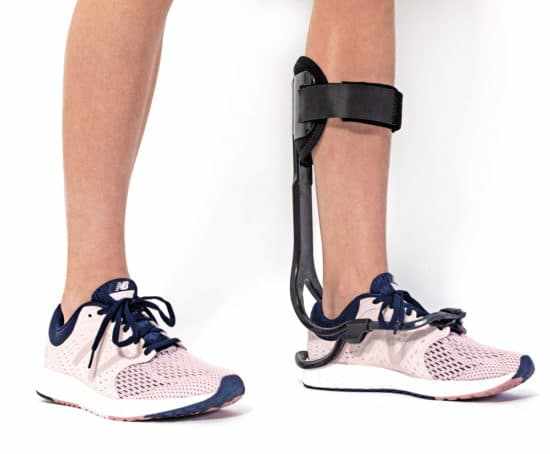
One of the key aspects of managing CNA is offloading the affected foot or ankle to prevent further damage. This may involve wearing a special boot or brace to immobilize the joint and prevent weight from being placed on the affected area.
3. Surgery (If Necessary)
In some cases, surgery may be required to correct deformities, stabilize the joint, or remove damaged tissue. Surgical intervention is typically considered when conservative methods are not effective in preventing further damage.
4. Regular Monitoring
For individuals at risk of Charcot neuroarthropathy, regular foot inspections and monitoring of any changes in sensation or appearance are essential. Managing underlying conditions like diabetes and neuropathy can help reduce the risk of developing CNA.
Conclusion
Charcot neuroarthropathy is a serious condition that can lead to permanent disability if left untreated. Early detection of the symptoms, such as unexplained swelling, warmth, and changes in foot alignment, is essential for preventing further damage. By managing the underlying causes of neuropathy and seeking medical attention at the first signs of CNA, individuals can minimize the impact of this condition and preserve their mobility.











Write a comment ...