
Charcot neuroarthropathy (CNA), often referred to as Charcot joint disease, is a condition that primarily affects individuals with diabetes, particularly those who have long-standing or poorly controlled blood sugar levels. This debilitating disorder leads to the progressive destruction of joints, often in the feet and ankles, resulting in deformities, loss of function, and sometimes severe disability. The relationship between diabetes and Charcot neuroarthropathy is crucial to understanding how the disease develops and how it can be prevented or managed.
This article explores the connection between diabetes and Charcot neuroarthropathy, how the condition develops, its symptoms, diagnostic methods, and available treatment options.
What is Charcot Neuroarthropathy?
Charcot neuroarthropathy is a progressive condition that affects the bones, joints, and soft tissues, often leading to joint deformities and dysfunction. It is primarily seen in individuals with neuropathy, especially those with diabetes, which causes nerve damage. This nerve damage reduces sensation in the affected areas, preventing the individual from feeling pain or discomfort from injuries or abnormal stresses on the joints. As a result, the joint becomes more vulnerable to damage, which over time leads to the destruction of bone and cartilage.
The Connection Between Diabetes and Charcot Neuroarthropathy
Diabetes, particularly type 1 and type 2 diabetes, is a leading cause of neuropathy, which is the primary risk factor for developing Charcot neuroarthropathy. High blood sugar levels over time can damage the nerves, especially those in the feet and legs, where Charcot neuroarthropathy is most common. This nerve damage (diabetic neuropathy) impairs the body’s ability to sense injury or inflammation, which accelerates the destruction of joints in the absence of pain signals.
For individuals with diabetes, the risk of developing Charcot neuroarthropathy is significantly higher, and the condition is often seen in those with long-standing or poorly controlled diabetes.
Understanding the Development of Charcot Neuroarthropathy in Diabetic Patients
The progression of Charcot neuroarthropathy occurs in stages, beginning with subtle changes that can easily be overlooked. Early detection is critical for slowing the progression of the disease and preventing severe deformities.
Stage 1: Acute Inflammatory Phase
The first stage of Charcot neuroarthropathy is characterized by acute inflammation in the affected joint. In diabetic patients with neuropathy, the inability to feel pain or discomfort allows the joint to undergo repeated trauma without the person being aware. This trauma leads to swelling, redness, and heat in the affected area. X-rays may not reveal much damage during this stage, making diagnosis challenging.
Stage 2: Destruction Phase
In the second stage, the inflammation subsides, but the joint continues to experience mechanical stress, causing more significant damage to the bone and cartilage. Fractures and dislocations may occur, leading to deformities. This phase is marked by continued joint instability and further destruction.
Stage 3: Chronic Deformity Phase
The third and final stage involves the collapse and deformity of the joint. The damage becomes irreversible, with severe deformities leading to permanent disability and a loss of function. This stage may result in a foot or ankle that is unable to bear weight or support normal movement. In some cases, patients may require surgical intervention to manage the deformity and prevent additional complications such as ulcers or infections.
Common Symptoms of Charcot Neuroarthropathy
Charcot neuroarthropathy can be difficult to diagnose in its early stages, especially in individuals with diabetes, as they may not experience typical pain associated with joint damage. However, several symptoms can indicate the presence of the condition.
Swelling and Redness
One of the first signs of Charcot neuroarthropathy is swelling in the affected joint. The area may appear inflamed, red, or warm to the touch, even though the individual may not feel any discomfort. This swelling is caused by the internal inflammation resulting from joint damage.
Joint Instability
As the condition progresses, the affected joint becomes unstable, which can lead to deformities such as foot drop, a collapsed arch, or a malaligned ankle. The joint may become increasingly unstable, causing difficulty with walking or standing.
Deformity and Loss of Function
In the later stages of Charcot neuroarthropathy, deformities such as bone fractures or joint dislocations become more evident. This leads to a permanent loss of joint function, and individuals may experience difficulty with basic activities like walking or standing.
Skin Ulcers and Infections
People with Charcot neuroarthropathy are at higher risk for developing skin ulcers, particularly on the feet. The loss of sensation in the affected area means that blisters or cuts can go unnoticed, allowing infections to develop. If left untreated, these infections can lead to more severe complications, including amputation.
Diagnosing Charcot Neuroarthropathy
Diagnosing Charcot neuroarthropathy requires a thorough evaluation, including a physical examination, medical history, and imaging tests. Since the symptoms of Charcot neuroarthropathy can resemble other conditions, it is essential for healthcare providers to consider all possible causes of joint damage.
Physical Examination
A physical examination is the first step in diagnosing Charcot neuroarthropathy. The doctor will check for signs of swelling, redness, and deformity in the joint. They may also test the individual’s ability to feel sensations in the feet and legs, assessing for signs of diabetic neuropathy.
Imaging Tests
X-rays are often used to visualize the extent of joint damage and to rule out other causes of joint pain or deformity. In the early stages of Charcot neuroarthropathy, X-rays may show no significant bone changes, so additional imaging, such as MRI or CT scans, may be needed to evaluate soft tissue damage or subtle bone changes.
Blood Tests
While blood tests cannot diagnose Charcot neuroarthropathy, they can help rule out other conditions, such as infection or gout, that may mimic its symptoms.
Treatment Options for Charcot Neuroarthropathy
The treatment of Charcot neuroarthropathy aims to manage symptoms, prevent further joint damage, and maintain function. Early diagnosis and intervention are essential for better outcomes.
Non-Surgical Treatment
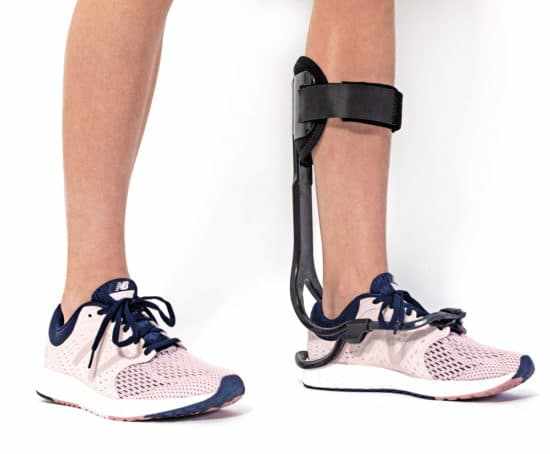
In the early stages of Charcot neuroarthropathy, treatment typically focuses on rest and immobilization of the affected joint to prevent further damage. A custom brace or cast may be used to stabilize the joint and reduce pressure. Non-steroidal anti-inflammatory drugs (NSAIDs) may be prescribed to reduce inflammation and pain, although many patients with diabetic neuropathy do not experience significant pain due to the loss of sensation.
Surgical Treatment
In more advanced stages of Charcot neuroarthropathy, surgery may be required to correct deformities or repair damaged joints. Surgical options can include joint fusion or reconstruction to restore some degree of function and prevent the need for amputation.
Preventive Measures
The best approach to managing Charcot neuroarthropathy is prevention. People with diabetes should take steps to control their blood sugar levels, regularly check their feet for signs of injury, and wear proper footwear to prevent trauma to the feet and ankles. Routine check-ups with a healthcare provider specializing in diabetic foot care are essential for detecting early signs of Charcot neuroarthropathy and other diabetic complications.
Conclusion
Charcot neuroarthropathy is a severe and often debilitating complication of diabetes that can lead to joint deformities and a loss of mobility if not detected and treated early. Understanding the role of diabetes in the development of this condition is crucial for effective management and prevention. Individuals with diabetes should be proactive in managing their blood sugar levels, monitoring their feet for signs of injury, and seeking medical attention if they notice any symptoms of Charcot neuroarthropathy.
At Ler Magazine, we are committed to providing valuable insights and resources to help individuals with diabetes manage their health and improve their quality of life.












Write a comment ...